
Winter storms can bring more than just snow and cold temperatures. They can also wreak havoc on your home’s plumbing system, causing pipes to freeze and potentially burst, leading to costly repairs and water damage. The good news is that with some proactive preparation, you can protect your pipes and avoid a winter plumbing disaster.
Insulate Vulnerable Pipes
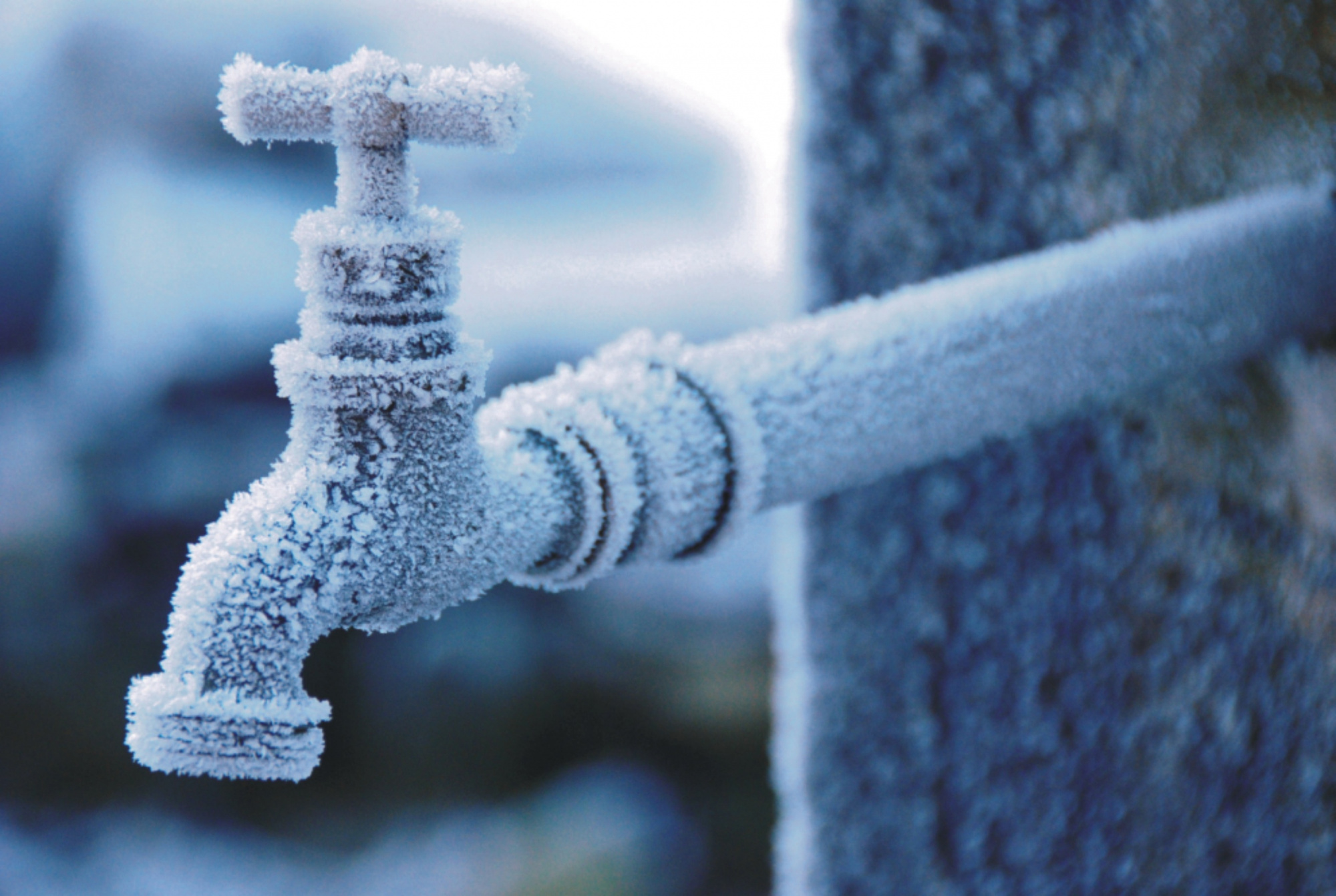
The first line of defense against frozen pipes is proper insulation. Focus on pipes in unheated areas like basements, crawl spaces, attics, and garages. Foam pipe insulation sleeves are inexpensive and easy to install, providing a protective barrier against freezing temperatures. For extra protection in extremely cold regions, consider using heat tape or heat cables on pipes that are particularly exposed. Don’t forget outdoor faucets and hose bibs, which are especially susceptible to freezing.
Seal Gaps and Cracks
Cold air can infiltrate your home through the smallest openings, putting your pipes at risk. Before winter storms arrive, inspect your home for gaps around pipes where they enter the building. Use caulk or spray foam insulation to seal these openings, preventing cold drafts from reaching your plumbing. Pay special attention to areas where pipes run along exterior walls or through unheated spaces.
Keep Cabinet Doors Open
During extreme cold snaps, keep cabinet doors under sinks open to allow warm air to circulate around the pipes. This simple trick is particularly important for sinks located on exterior walls. The increased air circulation can make a significant difference in preventing freezing, especially overnight when temperatures drop to their lowest.
Maintain a Steady Drip
When temperatures plummet, let faucets drip slightly overnight. Running water, even at a trickle, is much harder to freeze than standing water. This movement creates friction and helps prevent ice formation inside pipes. While you might worry about wasting water, the small amount used is nothing compared to the thousands of gallons that could flood your home from a burst pipe.
Maintain Consistent Indoor Temperature
Resist the urge to dramatically lower your thermostat when you’re away or sleeping during winter storms. Maintaining a consistent temperature of at least 55 degrees Fahrenheit throughout your home ensures that pipes stay warm enough to avoid freezing. If you’re planning to be away during cold weather, keep your heat on and consider having someone check your home periodically.