
Anxiety affects millions of people worldwide, manifesting as persistent worry, racing thoughts, and physical symptoms that disrupt daily life. While medication can be effective for many, there are numerous evidence-based strategies to manage anxiety naturally. Here’s how you can take control without relying on pharmaceuticals.
Understanding Your Triggers
The first step in managing anxiety is identifying what triggers it. Keep a journal to track situations, thoughts, or environments that heighten your anxiety. This awareness allows you to develop targeted coping strategies and, when possible, avoid or prepare for triggering situations. Understanding your patterns empowers you to respond proactively rather than reactively.
Breathing Techniques and Mindfulness
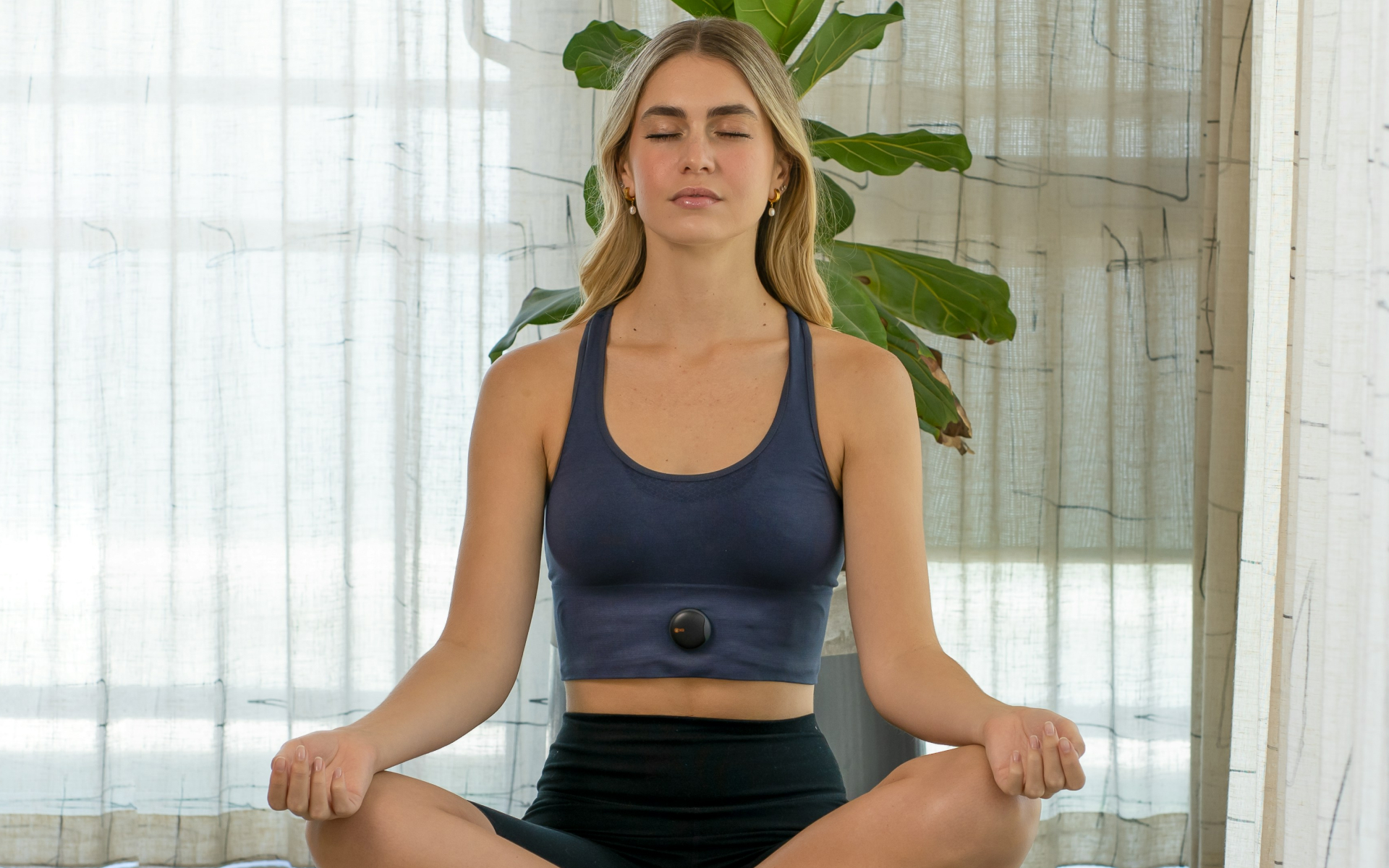
Deep breathing exercises are remarkably effective at calming the nervous system. The 4-7-8 technique—inhaling for four counts, holding for seven, and exhaling for eight—activates your body’s relaxation response. Pair this with mindfulness meditation, which trains your mind to focus on the present moment rather than dwelling on worries. Even five minutes daily can significantly reduce anxiety levels over time.
Regular Physical Exercise
Exercise is a powerful anxiety reducer. Physical activity releases endorphins, your brain’s natural mood elevators, while reducing stress hormones like cortisol. You don’t need intense workouts; a 30-minute walk, yoga session, or dancing to your favorite music can make a substantial difference. Consistency matters more than intensity.
Structured Sleep Schedule
Anxiety and poor sleep create a vicious cycle. Establish a consistent sleep routine by going to bed and waking at the same time daily. Create a relaxing pre-sleep ritual—dim lights, avoid screens for an hour before bed, and consider reading or gentle stretching. Quality sleep strengthens your resilience against anxious thoughts.
Nutrition and Lifestyle Adjustments
What you consume affects your mental state. Limit caffeine and alcohol, both of which can exacerbate anxiety symptoms. Focus on a balanced diet rich in omega-3 fatty acids, whole grains, and leafy greens. Stay hydrated, as dehydration can trigger anxiety-like symptoms. Small dietary changes can yield surprising benefits.
Build a Support Network
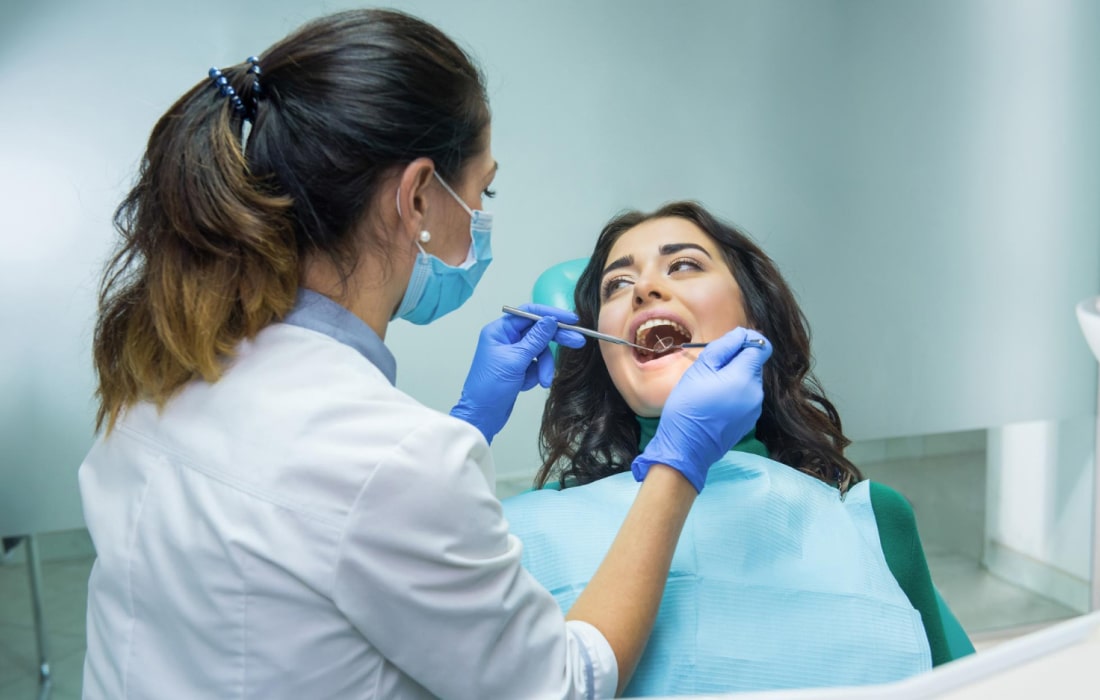
Isolation intensifies anxiety. Connect with trusted friends, family, or support groups who understand your struggles. Sometimes, simply verbalizing your worries to a compassionate listener can provide tremendous relief. Consider therapy options like Cognitive Behavioral Therapy (CBT), which provides practical tools without medication.
Progressive Muscle Relaxation
This technique involves systematically tensing and relaxing different muscle groups. Start with your toes and work upward, holding tension for five seconds before releasing. This practice helps you recognize physical tension patterns and consciously release them, providing immediate relief during anxious moments.
Creating Structure and Routine
Anxiety thrives in chaos. Establish daily routines that provide predictability and control. Simple habits like morning rituals, scheduled breaks, and end-of-day wind-down activities create anchors that ground you throughout the day.